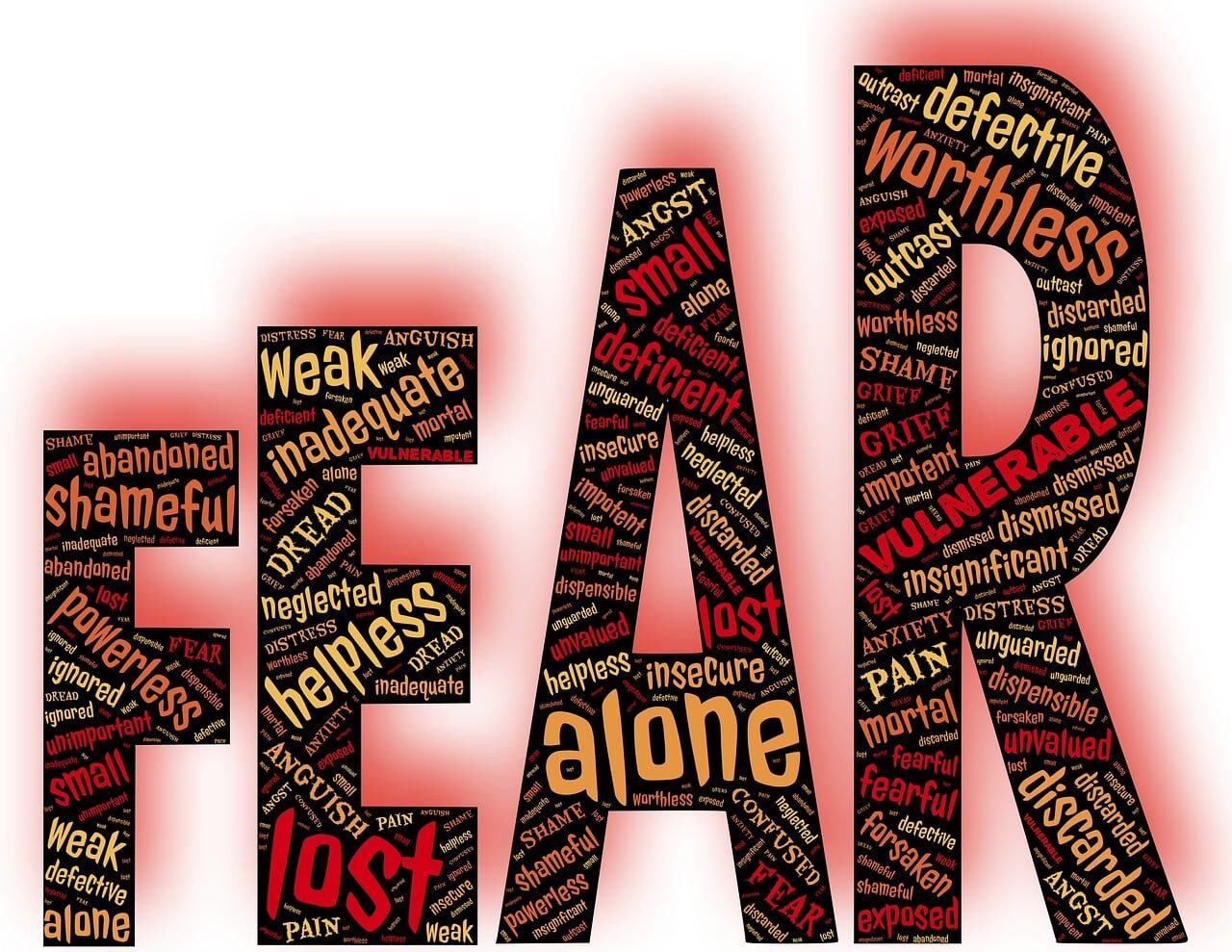
What Is Shame?
Many think of shame as that dreadful feeling that occurs right after a relapse or regretful decision. But, what if I told you that shame is very often the greatest contributor to our bad decisions, relapses and regrets.
Shame is an identity-
Beyond just a feeling, shame is a felt identity! It starts as that nagging feeling of emptiness, that hole in your gut, or gray cloud that always seems overhead. More than just that feeling, shame is the meanings we give these unpleasant feelings- that are hardly uplifting. Put these together, shame is this inescapable feeling of something is wrong with me. It’s the ache of never feeling good enough, or the despair of feeling like a failure. These feelings often linger within us– sometimes we feel them more, other times less.
How Shame leads to Bad Choices & Regret
I’ve heard time and again how often boredom can lead people into depressive thoughts and/ or cravings to use. So, what is it about boredom that is consistently difficult for people to deal with?
What if boredom wasn’t just boredom? The reality is that we tend to feel unpleasant physical sensations related to shame the most when we are still or less active. When overwhelming, these feelings can trigger the urge to get rid of them or avoid the pain of felt shame. Before you know we’re half a glass into a whiskey or indulging in our addiction of choice to numb the painful experience of shame, that too often can feel like who we are. It’s one reason so many people recovering from deeply entrenched addictions talk about constantly staying busy.
The more we use the same behaviors to escape feelings of shame, the more our nervous system organizes around the behavioral patterns we create.
These patterns that can become deeply entrenched and very difficult to change once they’ve worn out their welcome.
This is also why so many people recovering from one addiction can so easily end up turning to another addiction. They’ve never cultivated greater capacity to deal with difficult and unpleasant feelings, particularly of shame.
Unfortunately, too often, none of the treatment or support that they’ve received facilitates this process. This has been perhaps my biggest pet peeve in addiction treatment. Too often, clients are primarily taught to avoid people and places that trigger them. And to an extent, this is appropriate- some places and people likely should be avoided for those wanting to stay sober. But, how much and how long of our lives can we continually avoid? Some things are unavoidable. Further, primarily using avoidance tactics as a means of treating people to overcome patterns of avoidance is ironic, if not also counterproductive.
If you’re struggling with an addiction and want to see how treatment can help you, click the link to set up a free consultation today!!

No responses yet